Ask any parent what they want most for their child and the answer is usually the same. Happy. Confident. Curious about the world. What most people don’t realise is that the groundwork for all of this gets laid much earlier than we assume, long before a child ever sits at a school desk.
That’s really where Montessori begins.
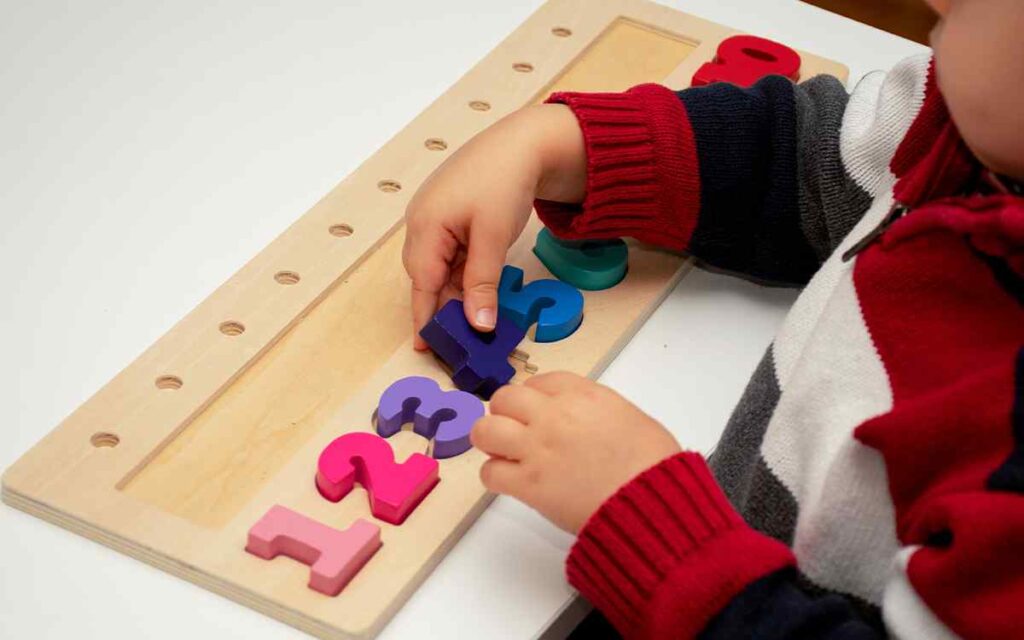
Long before a child can read or write, they’re taking in everything around them, how people move, the words they hear, the little routines of a day. Maria Montessori had a name for this, the absorbent mind, and it’s the reason her classrooms don’t look like typical preschools. There’s no rows of chairs, no one lesson given to a whole room at once. Instead you’ll find low open shelves, child sized furniture, and enough space for a toddler to pour water, sort buttons, or just explore something at their own speed. Nothing in the room is random. Every piece is there because it does something for how a child actually develops at that age.
One thing that tends to catch people off guard the first time they visit is how much the children are doing on their own. Pouring their own water. Choosing their own work. Putting things back where they found them. It looks like nothing much, but it’s actually doing a lot. A two year old learning to pour without spilling is quietly practicing patience and concentration too. A four year old picking their own work is learning to make a decision and see it through. That’s independence being built in real time, not handed to a child, but earned in small moments, over and over.
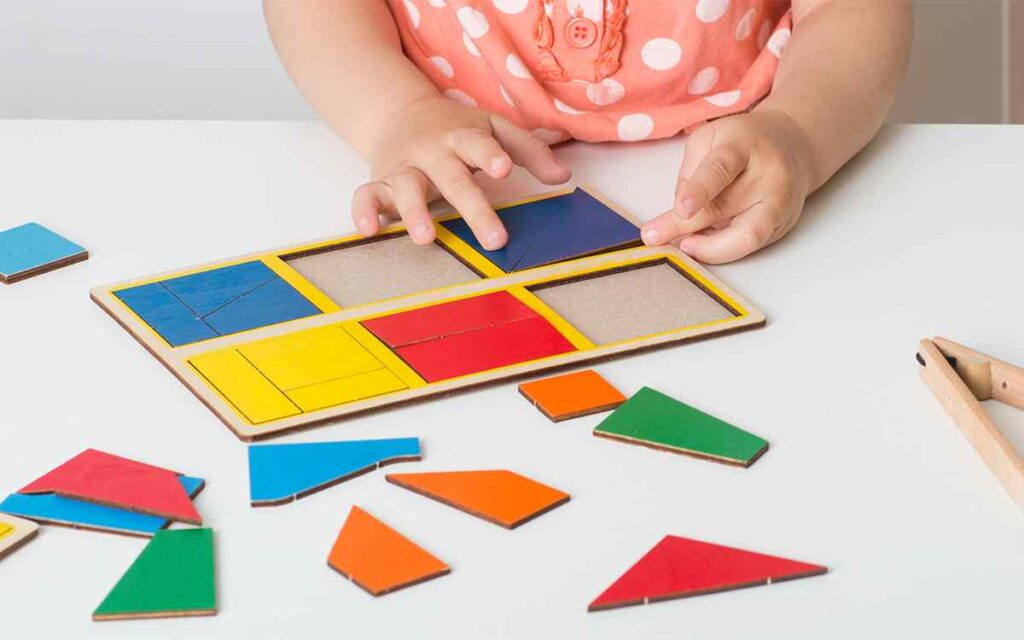
And every child gets to do this at their own pace, which honestly is the whole point. In most classrooms, a child who needs a bit more time can start to feel like they’re falling behind everyone else. There’s none of that here. Trained educators watch closely and bring in new lessons when a child is actually ready for them, not because a syllabus says it’s time. So a toddler still finding their feet, or a Casa child deep into a language or maths lesson, moves on their own timeline. Nobody’s rushed. Nobody’s held back by the group.
A lot of the teaching, honestly, comes from the room itself. Shelves are set up so children choose their own work. Materials are designed so a child can spot their own mistake and fix it without an adult stepping in. Even the outdoor space is treated as part of the classroom, not a break from it, giving kids room to move and get curious about the natural world. None of that is decoration. It’s built that way on purpose.
But none of it works in isolation. It takes a real partnership between school and family for a child to actually thrive, and it helps a lot when parents understand the why behind what their child is doing each day, not just the what.
If you’re weighing your options for your child’s early years and want to see what an authentic Montessori environment actually looks like day to day, come by. Honestly, the best way to understand it is to watch a child at work in a space built just for them.